



One of the easiest ways to understand Ras Al Khaimah’s history is to spend time in the old villages in Ras Al Khaimah where people actually lived. Long before modern neighbourhoods, shopping centres, and highways, communities were built around fishing, farming, pearling, and trade.
While some of these villages have changed dramatically over time, others still offer glimpses into what life looked like generations ago. One of the most interesting things about Ras Al Khaimah’s older villages is that they help explain why people settled where they did. Spend enough time exploring them, and you start to notice a pattern.
Access to the sea. Fertile farmland. Natural trade routes. Fresh water. The locations were never random. Whether you’re interested in history, photography, architecture, or simply exploring a different side of the emirate, these villages are well worth adding to your list.
Khatt Village
If Ras Al Khaimah’s coastal villages tell the story of life by the sea, Khatt tells a very different story.
Located at the foot of the Hajar Mountains, the area has been inhabited for centuries and is best known today for its natural hot springs and agricultural history. Long before modern development reached the area, communities settled here because of something incredibly valuable: access to water.
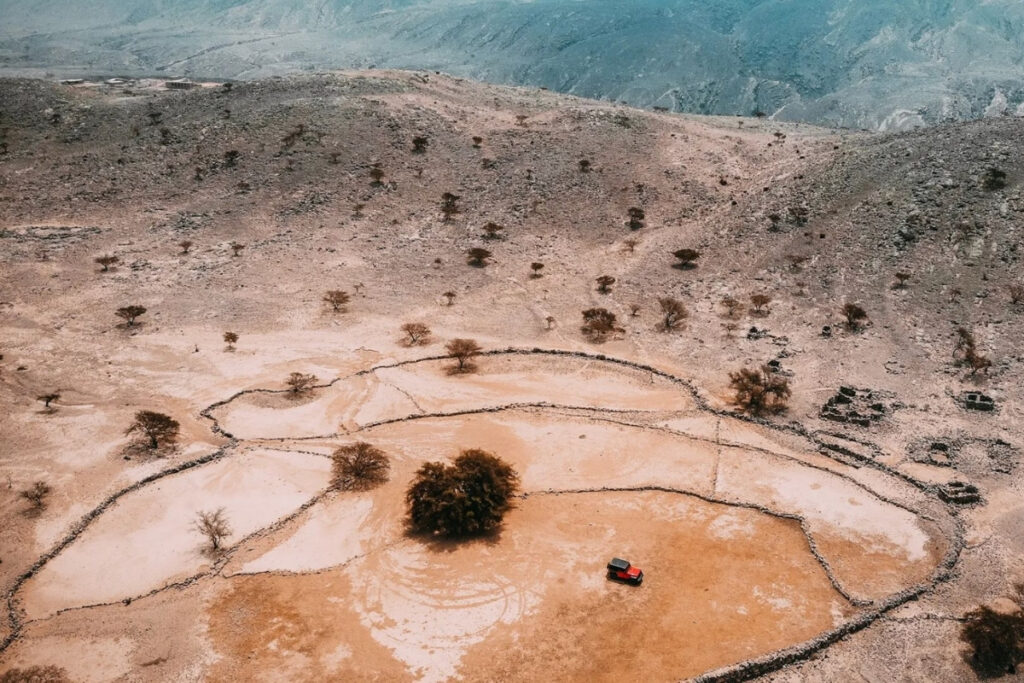
That water helped support farming and daily life, allowing communities to establish themselves away from the coast. Even today, the landscape feels noticeably different from many of Ras Al Khaimah’s historic fishing and pearling settlements.
What I find most interesting about Khatt is how it highlights a side of the emirate’s history that visitors often do not consider. Ras Al Khaimah’s story was not built solely on the sea. Places like Khatt are a reminder that farming, freshwater sources, and mountain communities also played important roles.
Al Rams
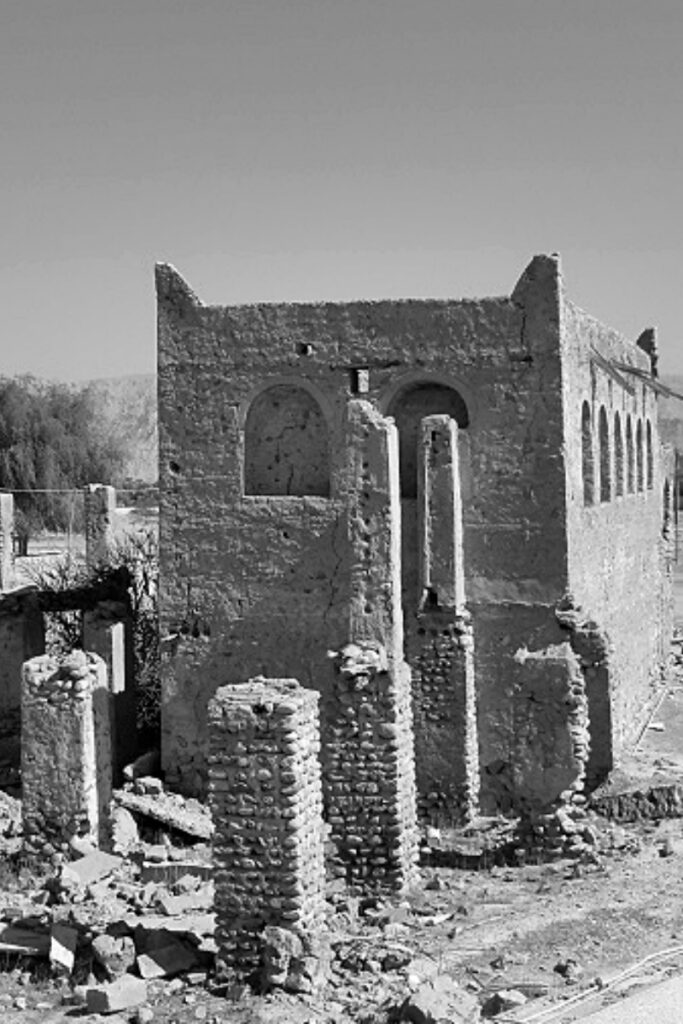
Located in the northern part of the emirate, Al Rams has long been associated with fishing, trade, and coastal life.
Al Rams still feels like a community first and a historic site second. The mountains, sea, and traditional neighbourhoods all sit remarkably close together, creating a landscape that helps explain why people chose to settle here in the first place.
A visit to Al Rams also pairs well with nearby Dhayah Fort, making it easy to explore both during the same outing.
Sha’am
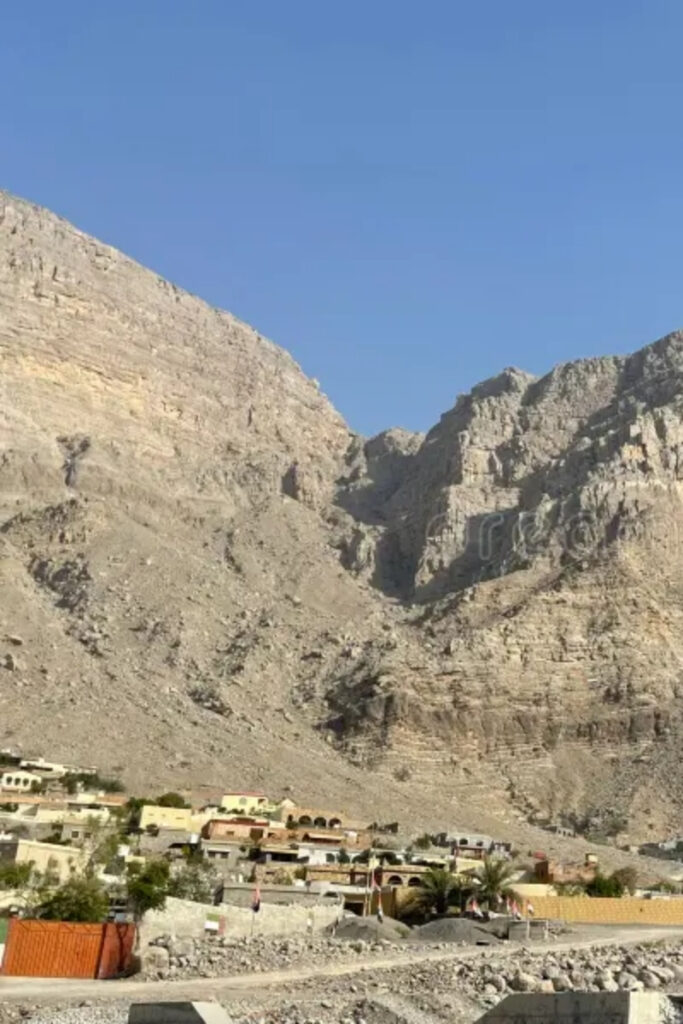
Tucked between the mountains and the coast, Sha’am offers a very different perspective on Ras Al Khaimah’s history.
The location alone is worth the drive. Surrounded by dramatic scenery, the village highlights how closely communities were connected to both the sea and the mountains. For generations, people living here relied on a combination of fishing, trade, and local resources to support daily life.
It may not receive as much attention as some of the emirate’s better-known heritage sites, but that is part of its appeal.
Digdagga
When people think about Ras Al Khaimah’s history, they often picture fishing villages and coastal communities. Digdagga tells a different story. The area has long been associated with agriculture thanks to its fertile land and access to water.
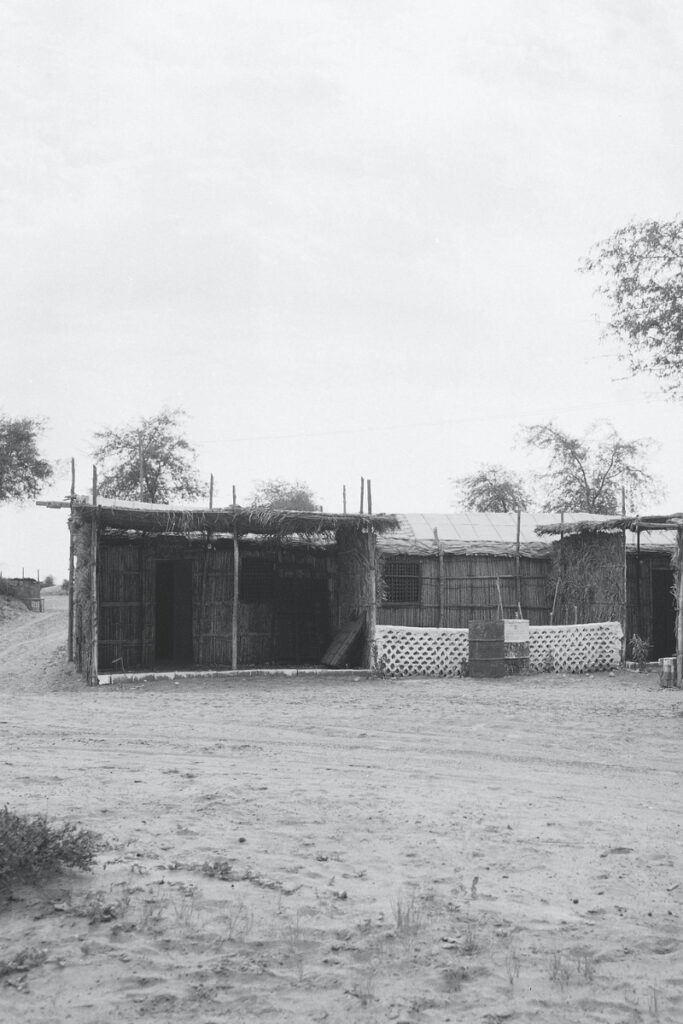
Visiting today offers a reminder that the emirate’s history was not built solely on the sea. Farming played an important role as well. It is one of the places that helps paint a fuller picture of how people lived and worked across Ras Al Khaimah.
Jazirat Al Hamra’s Surrounding Heritage Area
While the ghost village attracts most of the attention, the wider heritage area surrounding Al Jazeera Al Hamra is worth taking the time to explore as well.
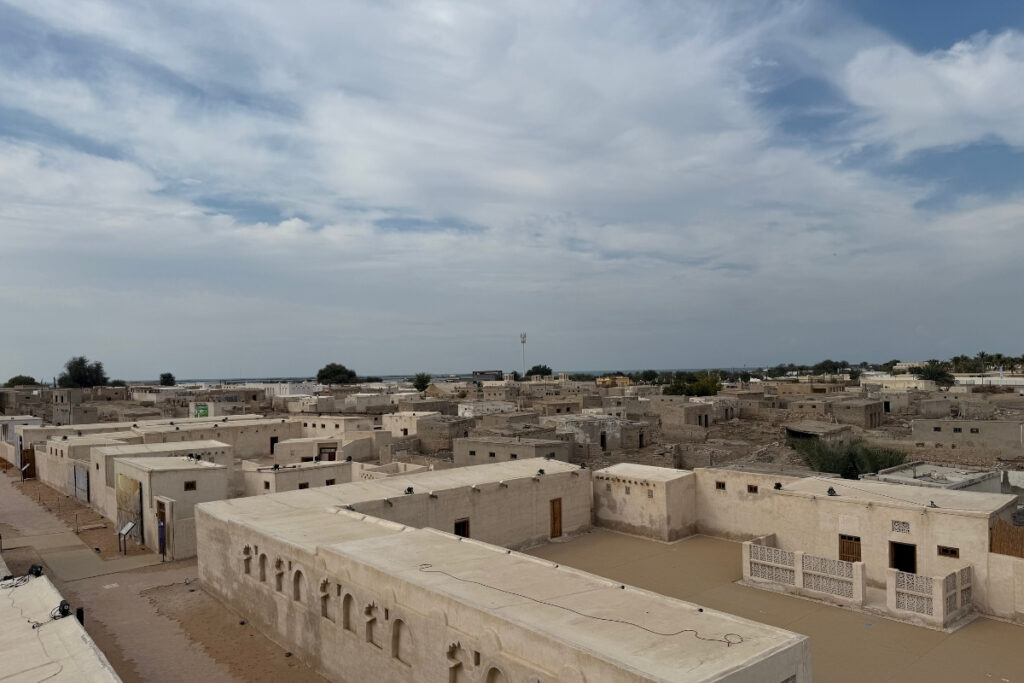
Traditional architecture, historic structures, and traces of the community that once thrived here all help tell a broader story about life along the coast. Spending time beyond the most photographed locations often reveals details that many visitors miss.
It is a reminder that history is not always contained within a single landmark. Sometimes it is woven throughout an entire community.
More Than Historic Sites
One of the things to appreciate most about exploring old villages in Ras Al Khaimah is how closely the emirate’s history is tied to its landscape.
The sea supported pearling and fishing communities. Fertile areas supported farming. Mountain routes connected settlements and trade networks. The villages that remain today offer clues about how people adapted to their environment and built communities that lasted for generations.
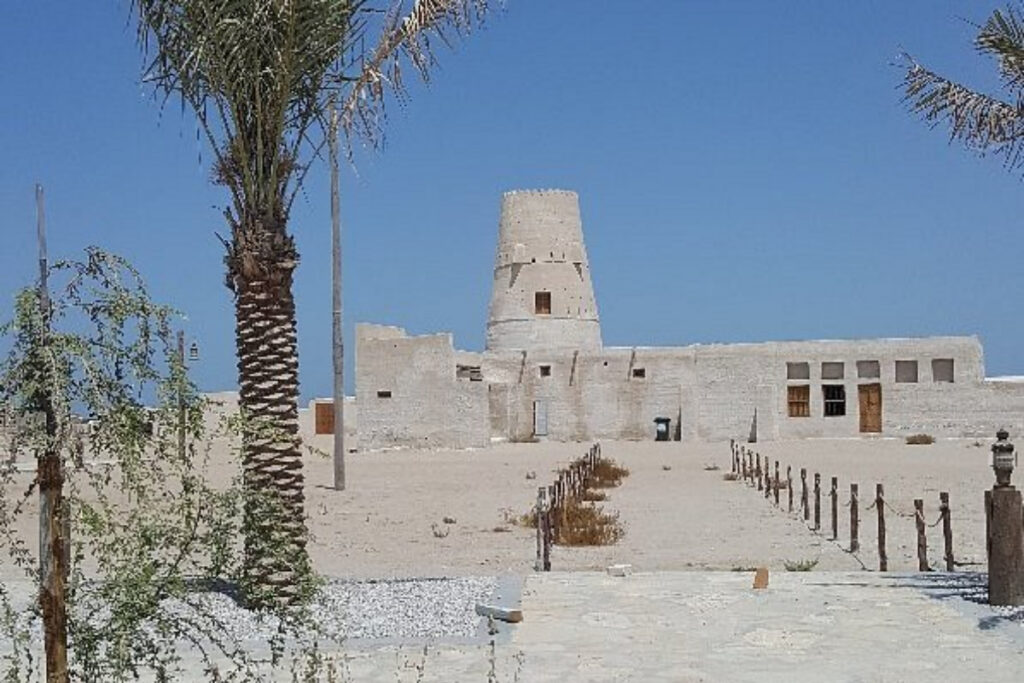
For visitors willing to slow down and look beyond the modern skyline, these villages offer a fascinating glimpse into the stories that helped shape Ras Al Khaimah into the emirate it is today.
Looking for more hidden gems, cultural attractions, and local experiences? Follow The Ras Al Khaimah Atlas for guides to the emirate’s history, heritage sites, and unique places worth exploring.