



Ras Al Khaimah is often known for its beaches, mountains, and outdoor adventures, but the emirate is also home to some of the UAE’s most fascinating historical places in Ras Al Khaimah. From centuries-old forts and archaeological discoveries to former pearling villages, there are plenty of opportunities to explore a different side of RAK.
Not every site is suited to every visitor. Some are ideal for families with young children, while others are better suited to history enthusiasts willing to spend time exploring outdoors. Here are some of the best historical places to visit in Ras Al Khaimah and what to know before you go.
Best Historical Places in Ras Al Khaimah
Dhayah Fort
If there is one historical site that should be on almost every RAK itinerary, it is Dhayah Fort. Perched on top of a hill overlooking date palm groves and the surrounding landscape, the fort played an important role during the 1819 campaign against the Al Qasimi tribe and remains one of the most significant heritage sites in the UAE.
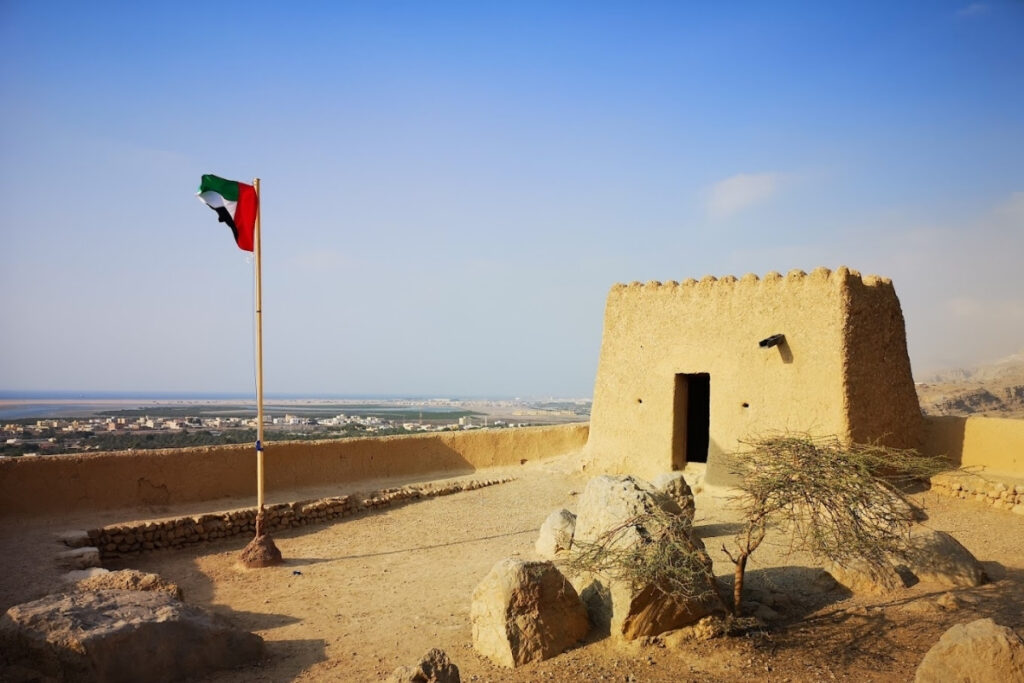
The climb to the top is not particularly long, but visitors should be prepared for a steep staircase. On a clear day, the views from the top stretch across date palm groves, mountains, and the surrounding landscape.
Best for: History lovers, photographers and older children
Good for young children? Yes, but expect plenty of stairs
Stroller friendly? No
Best time to visit: October to April, early morning or sunset
Time needed: 30–60 minutes
Tickets required? No
Advance booking needed? No
Al Jazirah Al Hamra
Often referred to as the UAE’s best-preserved traditional pearling village, Al Jazirah Al Hamra offers a glimpse into life before the discovery of oil transformed the region.
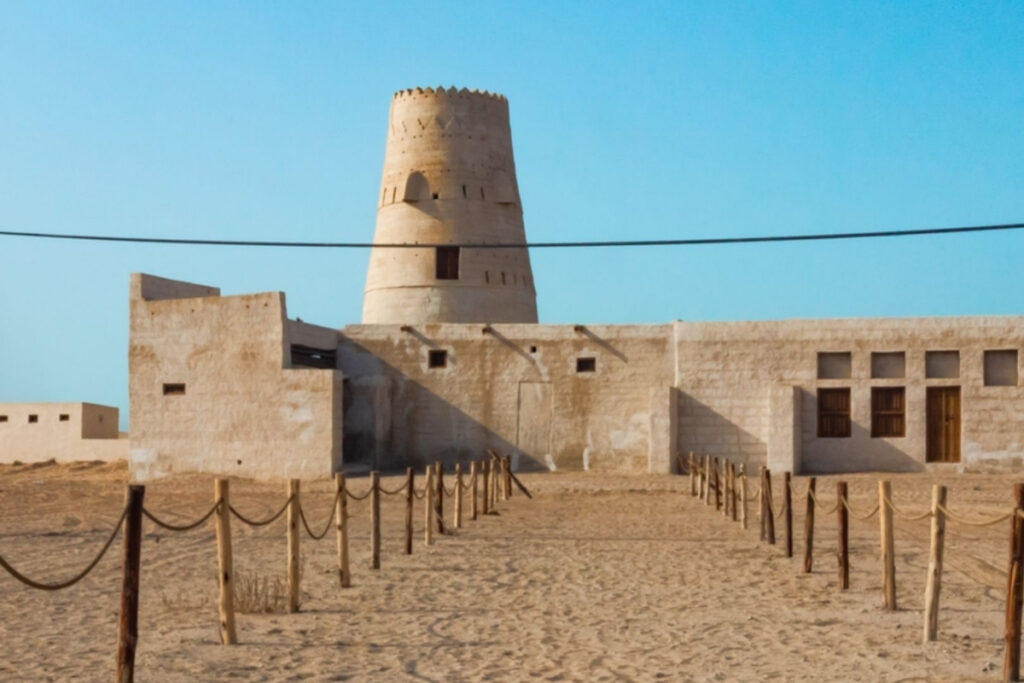
Walking through the village feels very different from visiting a museum. The abandoned buildings offer a rare glimpse into what life looked like before oil transformed the region, which is one of the reasons it continues to attract photographers and history enthusiasts.
Best for: History enthusiasts, photographers and cultural explorers
Good for young children? Older children, yes. Younger children may find it less engaging
Stroller friendly? Mostly, but some areas can be uneven
Best time to visit: November to March or late afternoon
Time needed: 1–2 hours
Tickets required? No
Advance booking needed? No
National Museum of Ras Al Khaimah
If you only have time for one museum in Ras Al Khaimah, this is probably the one to choose. Housed within a former fort and royal residence, the museum provides an accessible introduction to the emirate’s history.
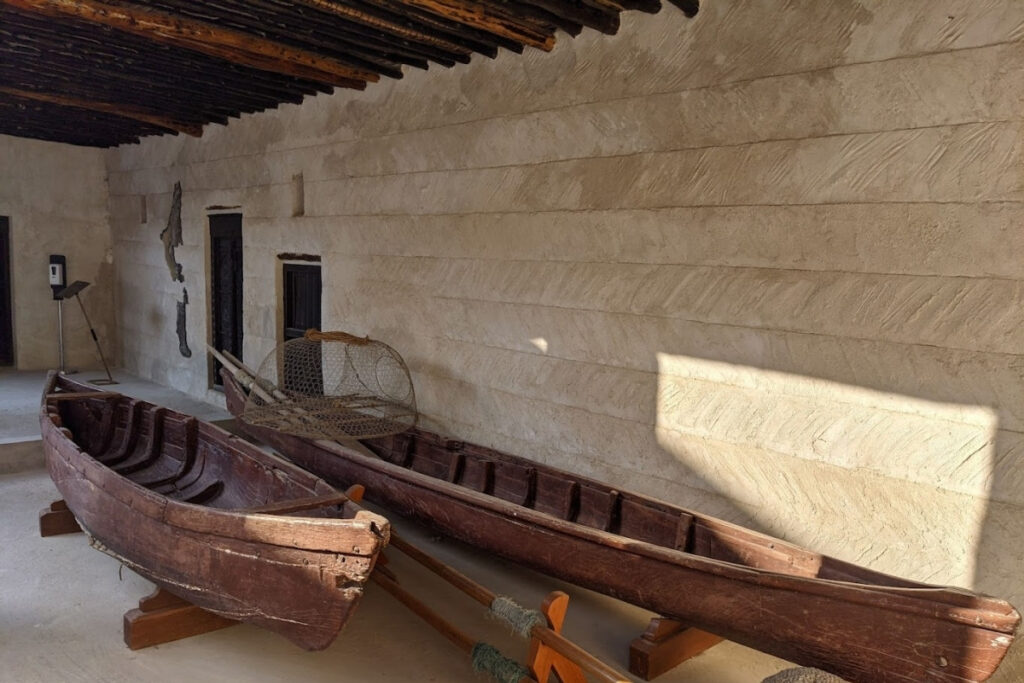
The exhibits cover everything from archaeology and pearl diving to traditional Emirati life, making it a good starting point for visitors who want a broader understanding of Ras Al Khaimah. If you are visiting during the summer, this is also one of the easier historical sites to explore without spending long periods outside.
Best for: Families, first-time visitors and history lovers
Good for young children? Yes
Stroller friendly? Yes
Best time to visit: Year-round
Time needed: 1–2 hours (open 10am – 6pm, but closed on Mondays/Wednesdays)
Tickets required? Yes, 5 AED for adults, and 2 AED for children (purchased on-site)
Advance booking needed? No
Suwaidi Pearls
For a more interactive look at the region’s history, Suwaidi Pearls offers visitors the chance to learn about the UAE’s pearl diving heritage firsthand.

Located on a floating platform in Al Rams, the experience includes a boat trip, demonstrations and insights into how pearls shaped the local economy long before oil was discovered. Unlike some historical attractions where you spend most of your time reading information boards, this experience feels much more hands-on, which is one reason families tend to enjoy it.
Best for: Families, visitors interested in local culture and school-aged children
Good for young children? Yes
Stroller friendly? Limited due to boat access
Best time to visit: October to April
Time needed: 2–3 hours
Tickets required? Yes
Advance booking needed? Yes, booking is recommended
Location note: Boat transfer included
Falayah Fort
While it receives fewer visitors than Dhayah Fort, Falayah Fort played an important role in the history of Ras Al Khaimah and the wider UAE.
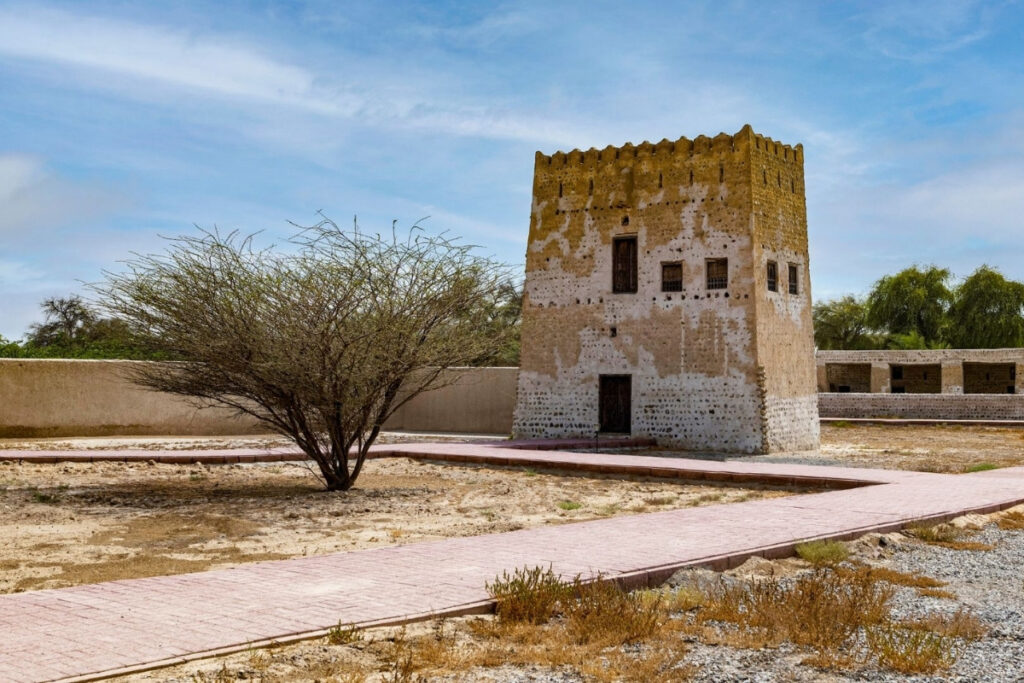
History enthusiasts will appreciate its role in the development of the region and its connection to early agreements between local rulers and the British.
Best for: History enthusiasts and returning visitors to RAK
Good for young children? Limited appeal for younger children
Stroller friendly? Mostly yes
Best time to visit: October to April
Time needed: 30–45 minutes
Tickets required? Usually no
Advance booking needed? Check access information before visiting
Shimal Archaeological Site
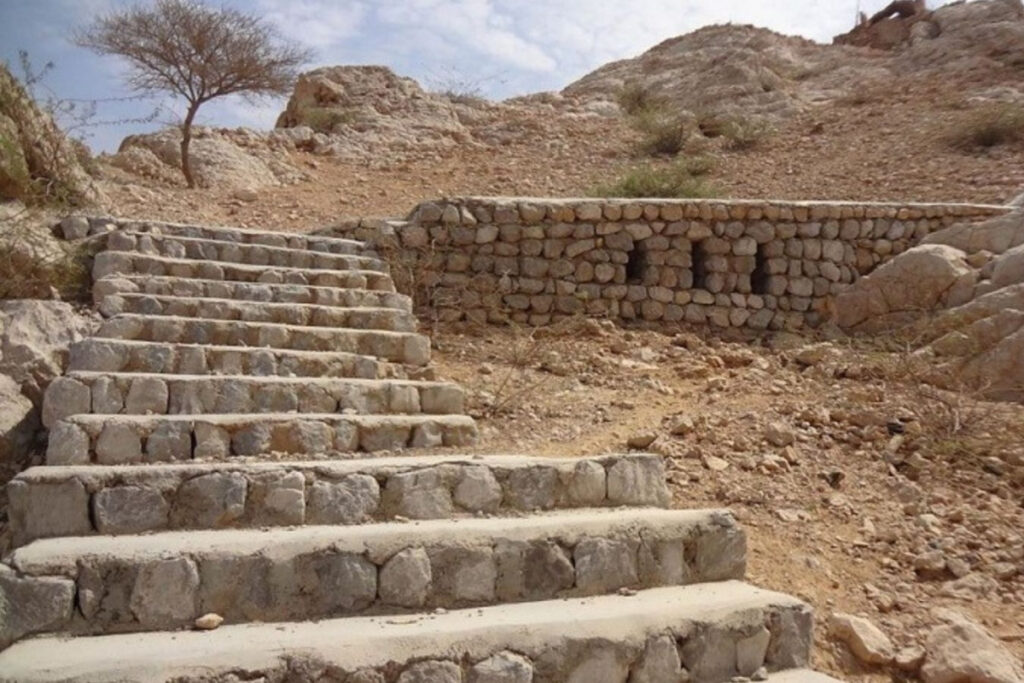
Shimal is one of the UAE’s most important archaeological areas and contains tombs and artefacts dating back thousands of years.
This is probably not the first stop for families with younger children, but visitors with an interest in archaeology will appreciate just how much history is concentrated in one area. Unlike some of the more developed attractions on this list, Shimal feels much closer to a genuine archaeological site than a traditional tourist destination.
Best for: Archaeology enthusiasts and history buffs
Good for young children? Not ideal
Stroller friendly? No
Best time to visit: November to March
Time needed: 1–2 hours
Tickets required? No
Advance booking needed? No
Editor’s Note
If you are visiting Ras Al Khaimah between May and September, try to plan outdoor historical visits for early morning or late afternoon whenever possible. Many of the emirate’s most significant sites involve walking outdoors with limited shade, and the experience is considerably more enjoyable during the cooler months.
Most visitors come to Ras Al Khaimah for the beaches, resorts and mountain views. Spending a few hours exploring its forts, museums and historical sites offers a completely different perspective on the emirate. Just be sure to plan around the weather. Some of these locations are far more enjoyable in January than they are in the middle of June.