



Ras Al Khaimah is often associated with mountains, beaches, and outdoor adventures, but its cultural attractions tell a much older story. The cultural attractions in Ras Al Khaimah offer a fascinating glimpse into the emirate’s heritage, showcasing centuries of trade, pearling, farming, and maritime traditions that shaped the region long before modern development.
Long before modern highways, luxury resorts, and record-breaking attractions, Ras Al Khaimah was shaped by trade, pearling, farming, and maritime life. Exploring its cultural attractions offers a chance to better understand not only the history of the emirate itself, but also the wider story of the UAE.
One quick note before planning a visit: opening hours, tours, and access arrangements can change throughout the year. It is always worth checking with the attraction directly before setting out.
Best Cultural Attractions in Ras Al Khaimah
Dhayah Fort
There is a reason Dhayah Fort appears on so many lists about Ras Al Khaimah.
The fort played a significant role in the emirate’s history and remains one of the most recognisable landmarks in the UAE. Sitting on top of a hill surrounded by date farms and mountains, it offers some of the best views in Ras Al Khaimah.
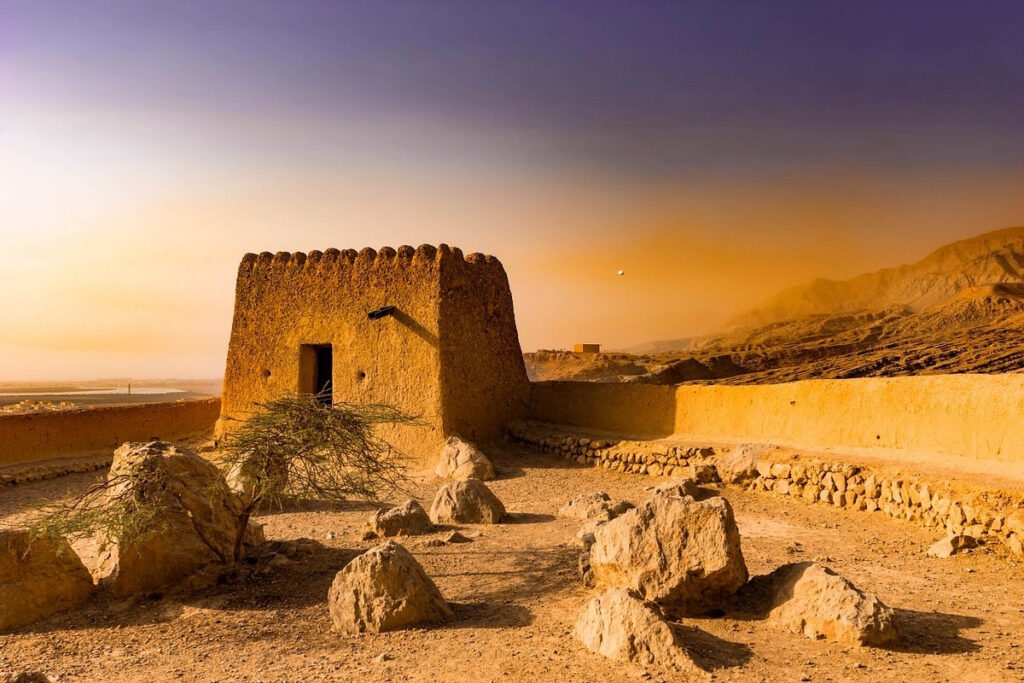
What makes it particularly interesting is that it feels connected to the landscape around it. Standing at the top, it is easy to see why this location mattered strategically hundreds of years ago.
- Why it matters: One of the most important historical sites in Ras Al Khaimah.
- Best time to visit: October to April.
- Family friendly: Yes, although the climb may be challenging for very young children.
- Allow: 30-60 minutes.
- Good to know: Wear comfortable shoes and bring water.
Al Jazeera Al Hamra Heritage Village
If there is one place that helps visitors picture what life looked like before rapid development transformed the UAE, it is Al Jazeera Al Hamra.
Often described as one of the best-preserved traditional villages in the country, it offers a glimpse into a time when pearling and fishing supported entire communities along the coast.
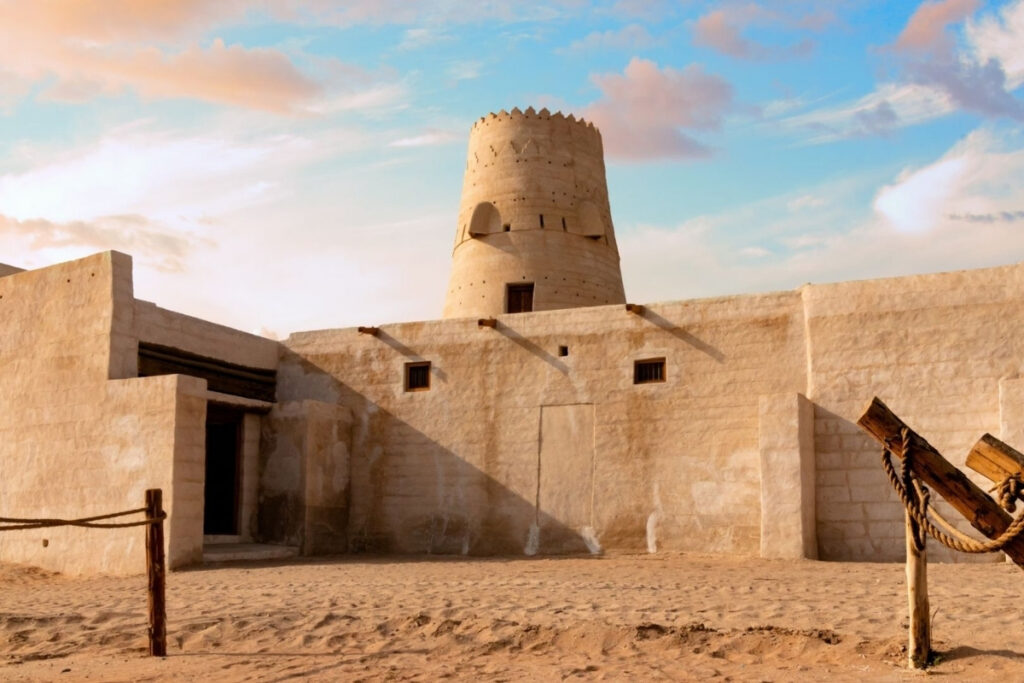
Walking through the village feels very different from visiting a museum. The buildings, courtyards, and streets help tell the story in a way that photographs rarely can.
- Why it matters: One of the best surviving examples of a traditional pearling village in the UAE.
- Best time to visit: Cooler months or late afternoon.
- Family friendly: Yes.
- Allow: 45-90 minutes.
- Good to know: Much of the site is outdoors with limited shade.
National Museum of Ras Al Khaimah
For anyone interested in understanding how Ras Al Khaimah evolved over time, the National Museum is a good place to start.
The museum brings together artefacts, archaeological discoveries, and historical displays that help connect the emirate’s past to the modern city visitors see today. Rather than focusing on a single period, it helps tell a broader story about settlement, trade, and daily life across centuries.
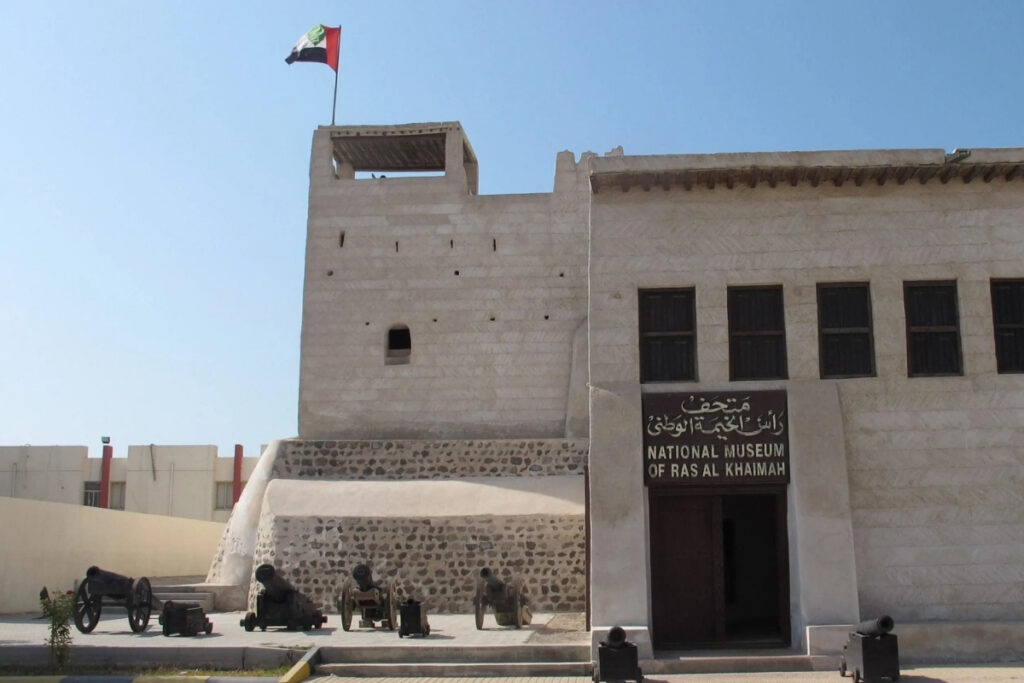
It is also one of the easiest cultural attractions to visit year-round thanks to its indoor setting.
- Why it matters: Provides a broad overview of Ras Al Khaimah’s history and heritage.
- Best time to visit: Any time of year.
- Family friendly: Yes.
- Allow: 1-2 hours.
- Good to know: Check opening hours before visiting.
Suwaidi Pearls Farm
Before oil transformed the Gulf, pearling was one of the region’s most important industries.
That history can sometimes feel distant when reading about it in a book, which is why Suwaidi Pearls Farm is such an interesting experience. Visitors learn how pearls were traditionally harvested and gain a better understanding of the risks and realities faced by pearl divers.
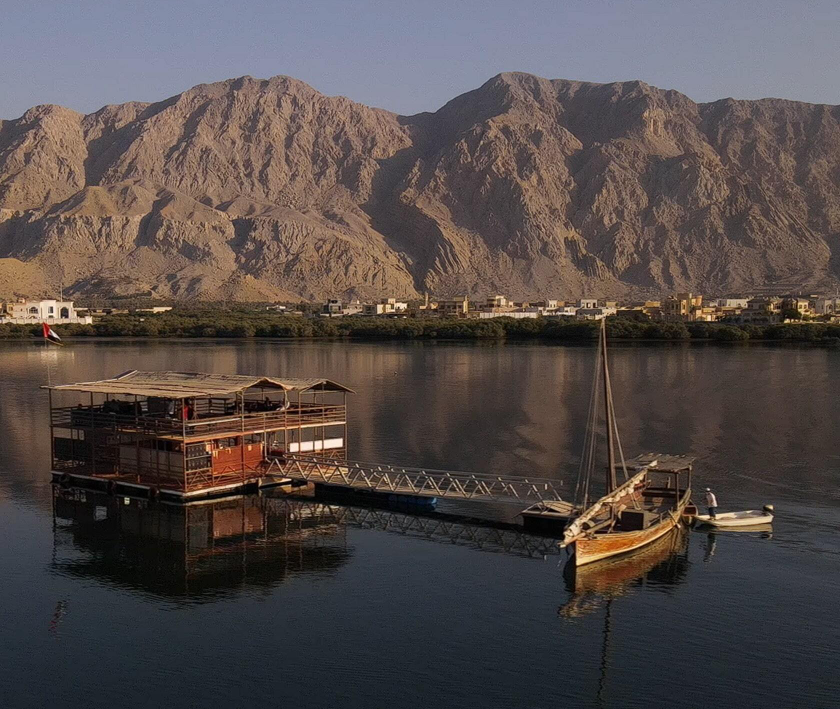
It is one of those attractions that gives context to a part of UAE history that shaped generations of families.
- Why it matters: Highlights the importance of pearling in Gulf history.
- Best time to visit: October to May.
- Family friendly: Yes.
- Allow: Around 2 hours.
- Good to know: Tours often require advance booking.
Mohammed Bin Salem Mosque
One of the oldest surviving mosques in the UAE, Mohammed Bin Salem Mosque offers a different perspective on the region’s heritage.
The architecture reflects traditional building methods and materials used long before modern construction techniques became common. While it may not be as widely known as some of the emirate’s larger attractions, it remains an important part of Ras Al Khaimah’s cultural landscape.
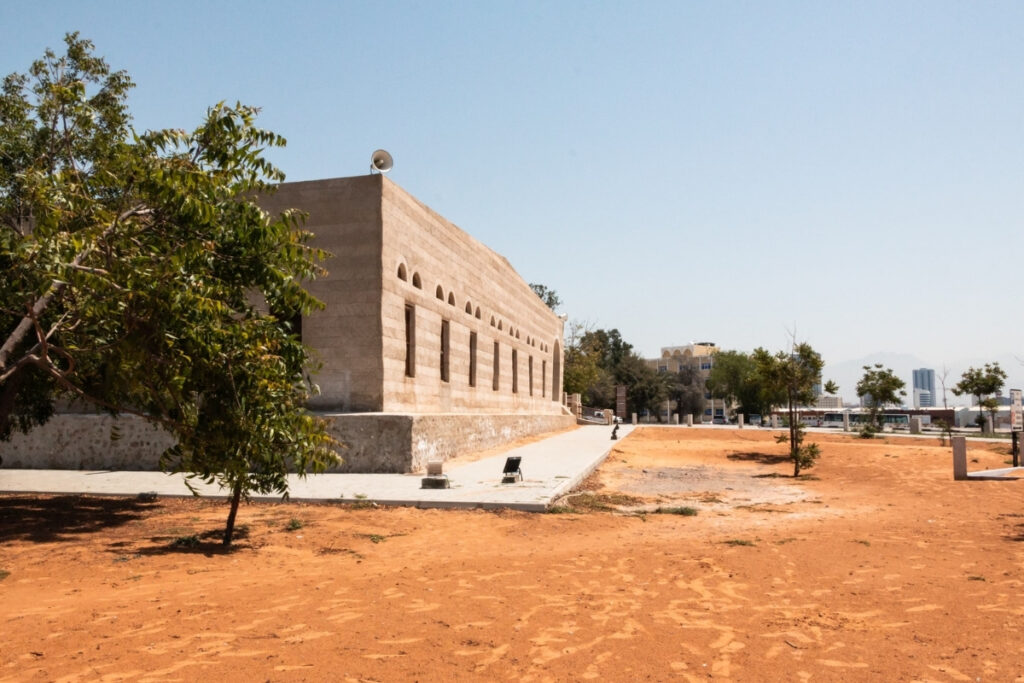
It is also a reminder that many of the UAE’s most significant historical sites are not necessarily its largest or most famous.
- Why it matters: One of the oldest surviving mosques in the UAE.
- Best time to visit: October to April.
- Family friendly: Yes.
- Allow: 20-30 minutes.
- Good to know: Visitors should dress respectfully and check access arrangements before visiting.
Explore the Rich Cultural Heritage of Ras Al Khaimah
One of the things that makes Ras Al Khaimah interesting is that its story extends far beyond the attractions most visitors see first. The mountains are impressive. The beaches are beautiful.
But places like Dhayah Fort, Al Jazeera Al Hamra, and Suwaidi Pearls Farm help explain how people lived, worked, and built communities long before the modern UAE took shape. For anyone looking to understand Ras Al Khaimah a little better, these cultural attractions are a good place to start.