



Most visitors know Ras Al Khaimah for its beaches, mountains, and outdoor attractions. Ras Al Khaimah history explained reveals something less obvious: it has one of the longest and most fascinating histories in the UAE.
Long before the country was formed, people were living, trading, and building communities in this part of the Arabian Peninsula. Archaeological discoveries have revealed evidence of settlements dating back thousands of years, offering a glimpse into a history that stretches far beyond the modern emirate visitors see today.
One of the reasons Ras Al Khaimah developed so early was its location. With access to the sea, nearby mountains, and fertile areas suitable for agriculture, it became a natural place for communities to settle and grow.
The Importance of Julfar
If there is one name that appears again and again in Ras Al Khaimah’s history, it is Julfar.
Once one of the most important ports in the Gulf, Julfar played a major role in regional trade for centuries. Merchants, sailors, and traders passed through the area, connecting the Arabian Peninsula with destinations including India, Persia, and East Africa.
The port helped establish the region’s reputation as a centre of maritime activity. Trade, fishing and pearling all contributed to local prosperity, while skilled sailors from the area became known throughout the region.
Today, archaeological sites connected to Julfar provide valuable insight into a period when the area was one of the Gulf’s busiest trading centres.
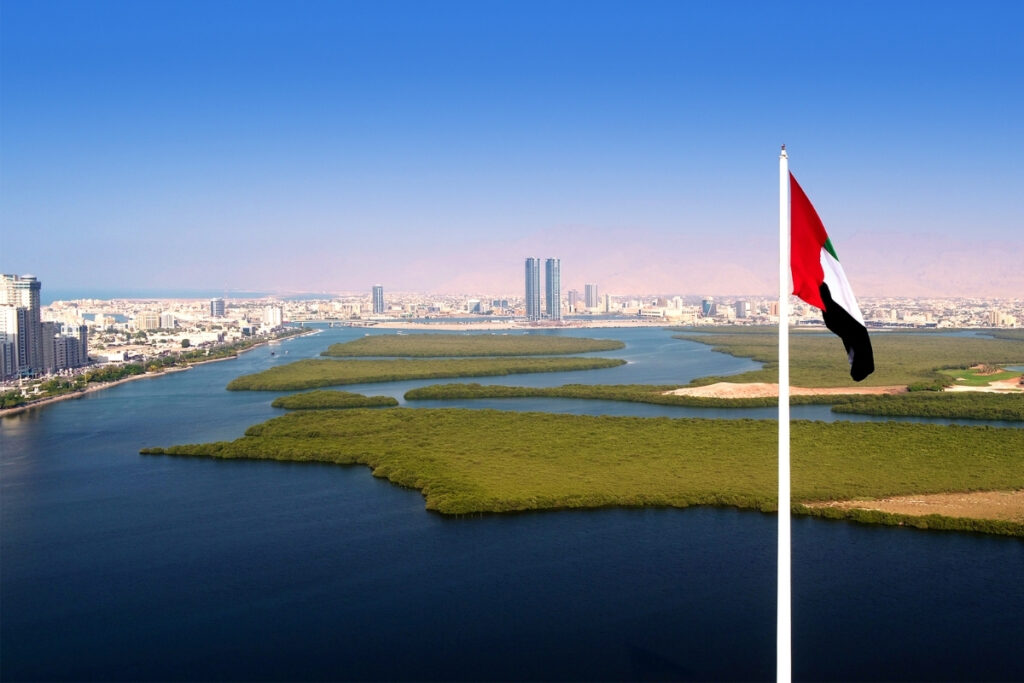
A Life Shaped by the Sea
For much of its history, daily life in Ras Al Khaimah was closely connected to the sea. Fishing supported coastal communities, while pearling provided an important source of income for generations of families. During pearling season, divers would spend months searching for natural pearls that were sold throughout the region and beyond.
Away from the coast, agriculture also played an important role. Date palms provided food and materials for everyday life, while farming helped support communities living further inland.
Life was often challenging, but these industries shaped many of the traditions, skills, and customs that remain part of Emirati heritage today.
Dhayah Fort and the Emirate’s Past
Few places bring Ras Al Khaimah’s history to life quite like Dhayah Fort. Standing on a hill overlooking the surrounding landscape, the fort remains one of the emirate’s most recognisable landmarks. Its location provided a strategic advantage, allowing people to monitor movement across the area and defend important routes.
The fort is also linked to significant events during the early nineteenth century, making it one of the most important historical sites in the UAE.
Today, visitors climb the fort for the views, but the site also offers a reminder of the centuries of history that unfolded across the surrounding landscape.
Joining the United Arab Emirates
The twentieth century brought major changes to the region. Like the other emirates, Ras Al Khaimah was part of the Trucial States before the formation of the UAE. As plans for a federation developed in the early 1970s, a new chapter in the area’s history began.
Ras Al Khaimah officially joined the United Arab Emirates in 1972, becoming the seventh emirate of the federation.
The years that followed saw rapid growth and development, transforming the emirate while preserving important aspects of its cultural identity and heritage.
A History That Is Still Easy to Find
One of the most interesting aspects of Ras Al Khaimah’s history is that it remains visible throughout the emirate.
Dhayah Fort, Al Jazeera Al Hamra and archaeological sites connected to ancient settlements offer reminders of the communities that lived here long before modern development arrived. Museums, heritage attractions, and cultural events continue to share stories that might otherwise have been forgotten.
Modern Ras Al Khaimah is often associated with tourism, outdoor adventure, and luxury resorts, but its story stretches back much further than that.
Understanding a little of that history adds another layer to the experience of visiting the emirate. It turns a fort into more than a viewpoint, a historic village into more than an attraction, and a stretch of coastline into part of a story that has been unfolding for thousands of years.
Explore more hidden history, culture, and travel stories from Ras Al Khaimah with The Ras Al Khaimah Atlas.