



Wadi Ghalilah is not only one of the most scenic places in Ras Al Khaimah, but also one of its most challenging. Known for its dramatic mountain trails, the wadi offers a hike that tests endurance, resilience, and focus.
It is also a brilliant spot for fitness enthusiasts and anyone looking for adventurous outdoor activities in Ras Al Khaimah. This guide covers everything you need to know about hiking Wadi Ghalilah, along with key safety tips to keep in mind before you go.
Hiking Trails at Wadi Ghalilah
Wadi Ghalilah Dam Hike
The Wadi Ghalilah Dam hike begins at the dam and climbs towards the upper slopes near Jebel Jais Road. The trail takes around six to eight hours to complete, with a steady elevation gain and increasingly exposed terrain along the way. Hikers are rewarded with panoramic views of the surrounding Hajar Mountains.
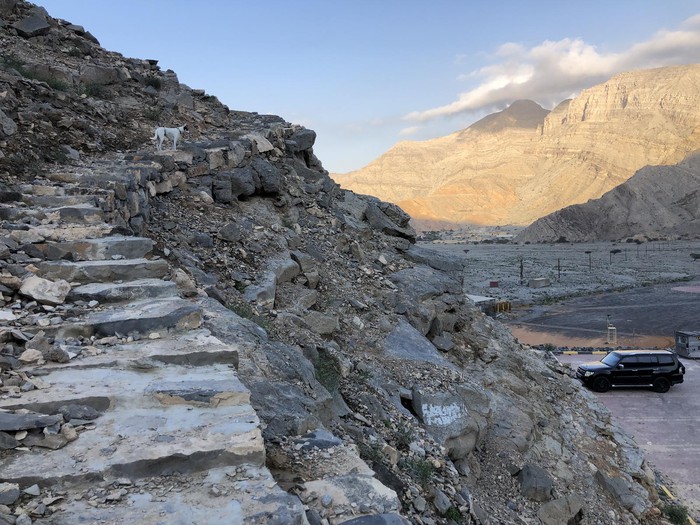
This is an extremely challenging route and is suitable only for seasoned hikers. The trail is long, steep, and physically demanding, with very few shaded rest areas. The descent is also lengthy, so proper preparation, fitness, and caution are essential.
Wadi Ghalilah Dam to Salajat Village Trail
The Wadi Ghalilah Dam-to-Salajat Village hiking trail is another challenging uphill route in Ras Al Khaimah. Those who take it on are rewarded with sweeping mountain views and a glimpse into the traditional high-altitude village life of the Shihuh tribe.
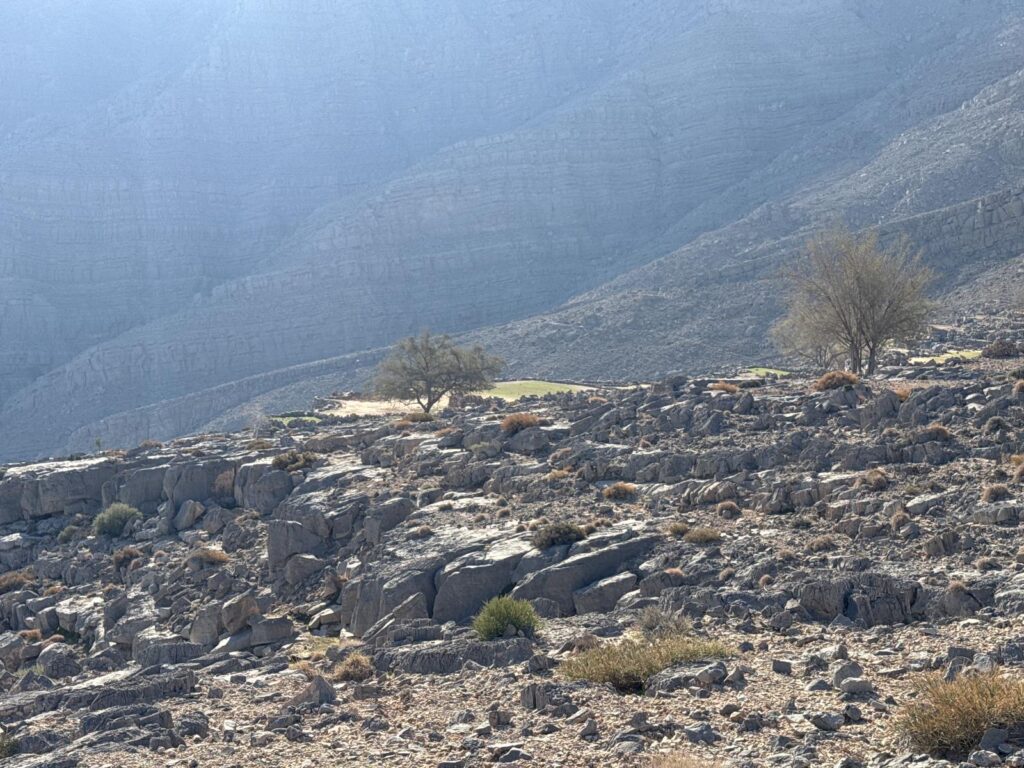
The trail begins at Wadi Ghalilah Dam and covers a round-trip distance of 15-17 kilometres. With a steep elevation gain of approximately 1,200 to 1,500 metres, it is a demanding hike that can take between seven and 10 hours to complete.
Along the way, trekkers will need to navigate rocky, stair-like sections built by local villagers, as well as narrow mountain paths. The route also passes abandoned and partially active mountain settlements and farms. Salajat Village sits near the upper ridge and is known for its traditional stone houses and terraced farmland.
Stairway to Heaven
Stairway to Heaven is one of the most well-known hikes in the UAE. This 17-kilometre route takes approximately 10 to 12 hours to complete and is considered one of the country’s most demanding trails.
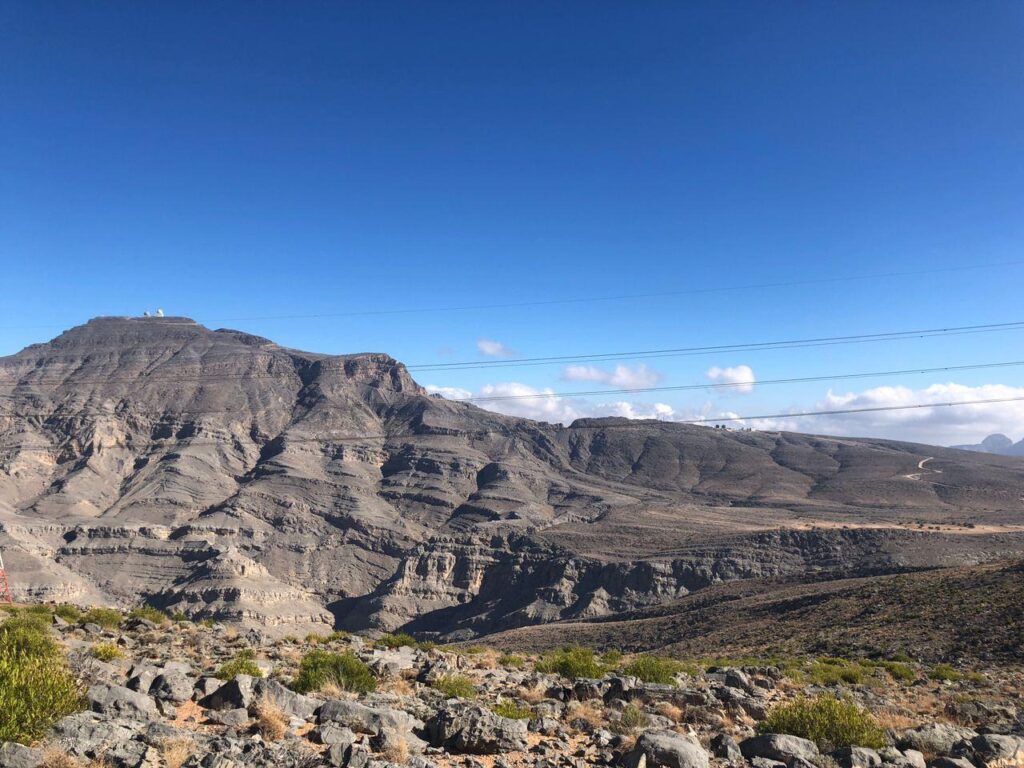
While some sections of the route are marked, other areas can be difficult to navigate. Hikers are strongly advised to attempt this trail only in a group and during the winter months, when conditions are cooler.
The trail begins at Wadi Litibah, continues towards the scree slope, and passes through Stairway to Heaven, a difficult and exposed section that requires extreme caution. Trekkers then continue towards the Peak of False Horizons, where they can take in sweeping views of the plateau and villages below.
Further ahead lies flatter, easier terrain, and eventually comes the Woh Village Descent. This downward climb has a lot of zig-zagging and can be particularly challenging.
How to Reach Wadi Ghalilah
Visitors can reach Wadi Ghalilah by driving to the Wadi Ghalilah Dam. Driving from Ras Al Khaimah City to Wadi Ghalilah takes about 50 minutes. Take the E11 highway and look out for the signs for Ghalilah. From there, a 4×4 vehicle can proceed to the dam.
While 4×4 vehicles are ideal for those looking to reach the trailhead, standard sedans can stop two kilometres back as well.
Tips for Hiking at Wadi Ghalilah
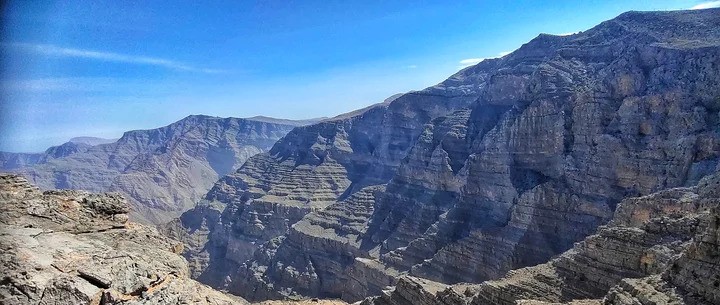
- Start early: Each trail at Wadi Ghalilah is very long and takes well over seven hours. It’s ideal to start a hike early in the morning to avoid harsh sunlight, as shade is extremely limited. Carry four to five litres of water per person for the same.
- Carry appropriate gear: Sturdy footwear is crucial in Wadi Ghalilah, considering the steep, rocky terrain and long trails. Bring trekking poles for support during the steep descent. Sun protection essentials are also recommended, along with a light overcoat for cool winds in the early morning or late evening.
Use navigation tools: Wadi Ghalilah’s trails can be confusing, and you may accidentally cross into another trail without realising. Follow marked paths and use offline GPS routes as well.
- Prepare for emergencies: Pack a fully charged power bank, an emergency whistle, and a basic first-aid kit.
- Note the weather: The best time to visit Wadi Ghalilah is during the cooler winter months, from November to March. Avoid midday trekking altogether, especially in the summer. It’s also advisable to stay away from the wadi during or immediately after heavy rain, as there is a risk of flash floods.
Follow The Ras Al Khaimah Atlas for more nature guides, outdoor activities, family-friendly attractions, and hidden gems across the emirate.