


Ras Al Khaimah has been evolving rapidly in recent years, with new neighbourhoods, attractions, and infrastructure projects reshaping the emirate. As the UAE continues to work towards its long-term development goals under Vision 2030, residents can expect to see even more changes in the years ahead.
While many of these initiatives focus on economic growth and sustainability, they also have the potential to influence everyday life. This includes how people live, work, and travel, as well as where they spend their weekends.
Key Pillars of UAE Vision 2030
The key pillars of UAE Vision 2030 are economic diversification, sustainability and renewable energy, technological innovation and smart cities, education and human capital development, social and cultural development, and healthcare and wellbeing.
What Will Change for Residents?
One of Ras Al Khaimah’s priorities is to modernise its infrastructure, along with tourism development. Domestic visitors now have more access than ever to beachfront staycations and family-friendly escapes. As new attractions, beach clubs, restaurants and entertainment venues open, residents will have more options for weekends without going far.
Residents can also expect mountain, desert and coastal projects. These include upgrades to the Jebel Jais mountain, which has been closed for some time now, as well as improved hiking and cycling routes. Together, these projects are expected to expand outdoor leisure options for residents.
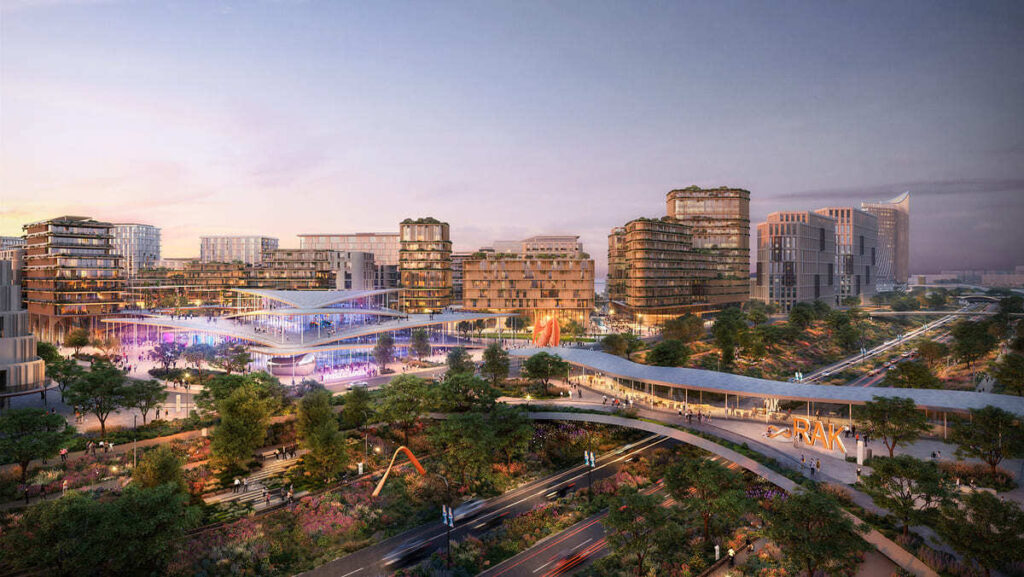
Transportation is also seeing a rapid change. The Ras Al Khaimah Transport Authority (RAKTA) has introduced various new smart mobility methods, such as real-time passenger information systems, cashless and digital systems, AI-enabled services, and potential self-driving vehicles. These initiatives could make commuting more efficient.
Authorities are also upgrading Emirates Road (E311) at a cost of $200 million, reducing travel time between Ras Al Khaimah and Dubai by up to 45 per cent.
The larger Ras Al Khaimah International Airport and new international connections could make business and leisure travel more convenient for residents, reducing the need to travel to neighbouring emirates for some flights. The new VVIP terminal is expected to open in 2027.
Sustainability initiatives could also become a bigger part of everyday life, from greener buildings and renewable energy projects to improved public spaces and environmentally conscious tourism.
Plenty of new hotels are set to open in Ras Al Khaimah in the coming years, including Wynn Al Marjan Island Resort and the Hilton Marjan Island. Job opportunities in RAK are also estimated to increase rapidly, mainly in the hospitality and tourism sector. With hotels, also come new restaurants, beach clubs, spas, and an array of nightlife options.
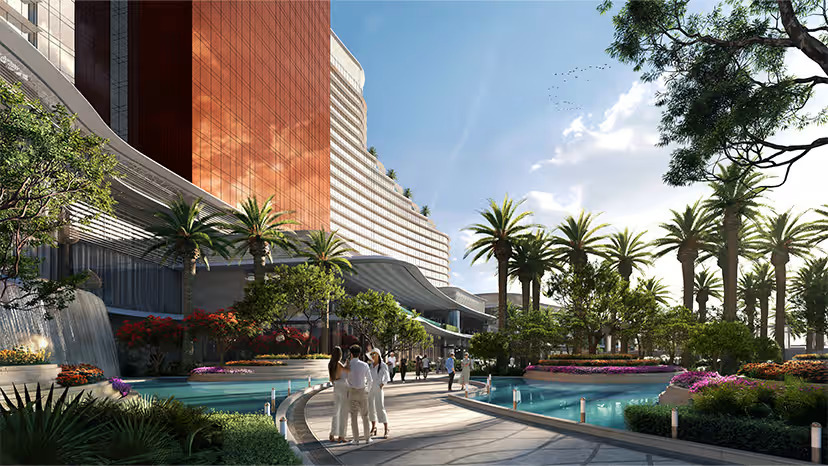
Investment in education and skills development is also expected to create more opportunities for students and young professionals. As industries expand, demand for specialised training and higher education may continue to grow. Similarly, continued investment in healthcare could improve access to specialised medical services, giving residents more options within the emirate as the population grows.
Going further, the focus on infrastructure development has caused a boom in real estate in Ras Al Khaimah. With a high demand for branded residences and integrated waterfront communities, residents in the emirate can expect more variety when it comes to choices of homes and properties. Properties are positioned closer to schools, supermarkets, retail, and other community amenities, making daily living more hassle-free.
Whether it’s shorter journeys, more leisure options or a wider choice of homes and careers, many of the changes taking shape gradually are expected to become part of everyday life over the next few years.
Read more Ras Al Khaimah news and updates here.