

Ras Al Khaimah is the UAE’s quiet northern emirate. That doesn’t make it short of the factors that make it truly special. While cities like Dubai and Abu Dhabi are known for their architectural monuments, museums, and record-breaking feats, Ras Al Khaimah has some humble treasures that set it apart.
This is a place where cultural landmarks and stunning landscapes dominate, offering experiences sure to surprise those unfamiliar with the emirate.
Interesting facts about Ras Al Khaimah reveal a side of the emirate that goes beyond beaches and resorts, from historic pearl villages to mountain adventures and deep-rooted Bedouin traditions.
For those who mainly know Ras Al Khaimah as a serene getaway, here are seven interesting facts about Ras Al Khaimah that might just make you view the emirate in a different light.
Fun Facts about Ras Al Khaimah
1. Ras Al Khaimah Is One of the UAE’s Most Diverse Emirates
Ras Al Khaimah is one of the UAE’s most naturally diverse emirates, where dramatic mountains, desert landscapes, and coastal scenery are all within easy reach of one another.
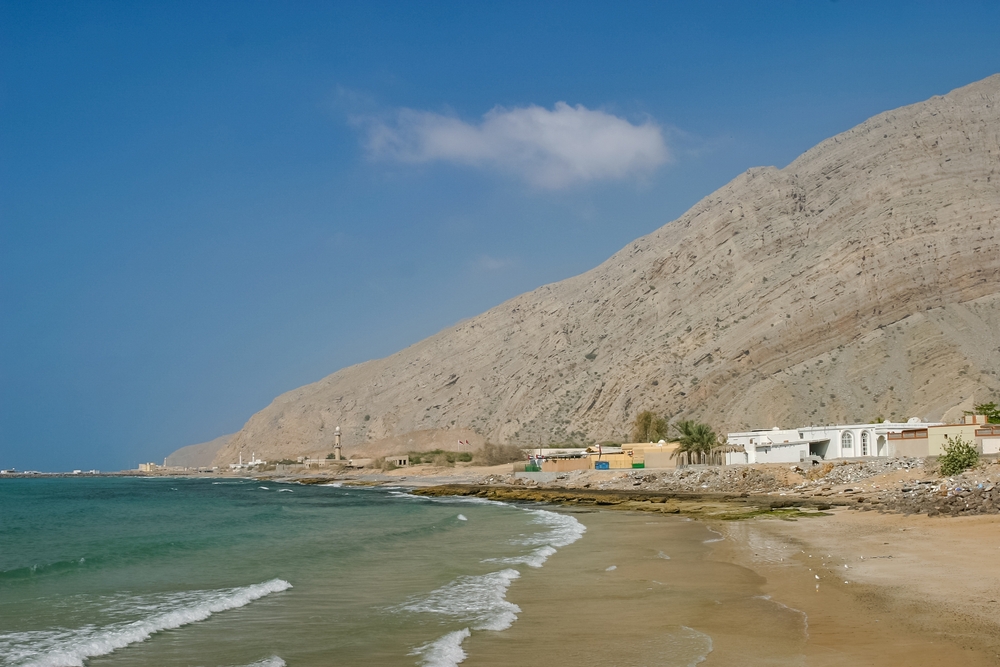
The emirate is home to the striking Hajar Mountains, expansive desert terrain, and a 64-kilometre coastline lined with white-sand beaches, mangroves, creeks and lagoons.
This variety of landscapes is part of what gives Ras Al Khaimah its adventurous and outdoorsy appeal, drawing everyone from hikers and beach lovers to kayakers and nature enthusiasts.
Some of the emirate’s most scenic spots combine several of these natural elements in one setting. Places like Al Qawasim Corniche, Al Rams Beach, Saraya Island, and the surrounding mountain regions showcase the quieter, more untouched side of the UAE that Ras Al Khaimah is known for.
2. Jebel Jais is the UAE’s Highest Mountain Peak
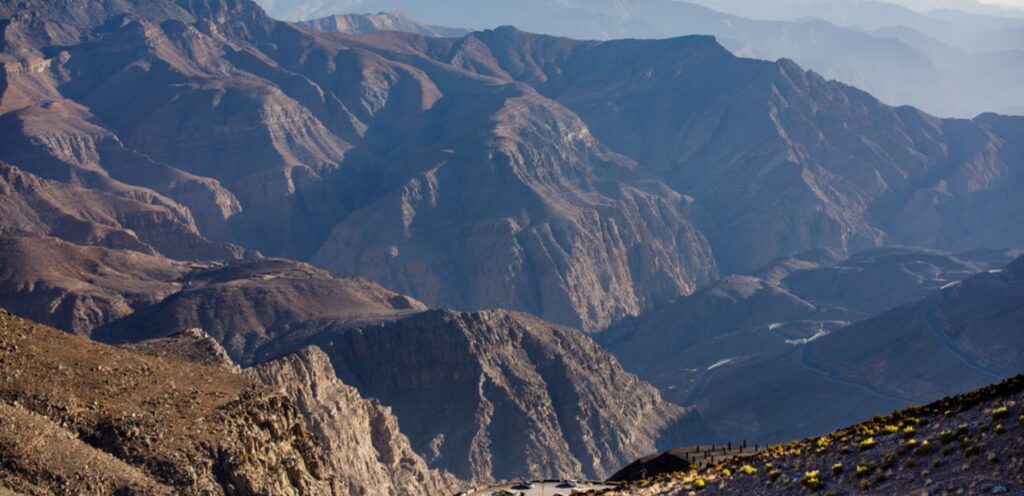
Jebel Jais is the highest mountain peak in the UAE, at an elevation of 1,934 metres above sea level. It forms part of the spectacular Al Hajar mountain range.
The mountain is famous for its variety of outdoor adventures, from cycling and running to hiking and ziplining. The high altitude typically makes it 10 degrees Celsius cooler than other parts of Ras Al Khaimah.
3. Jais Flight is the World’s Longest Zipline
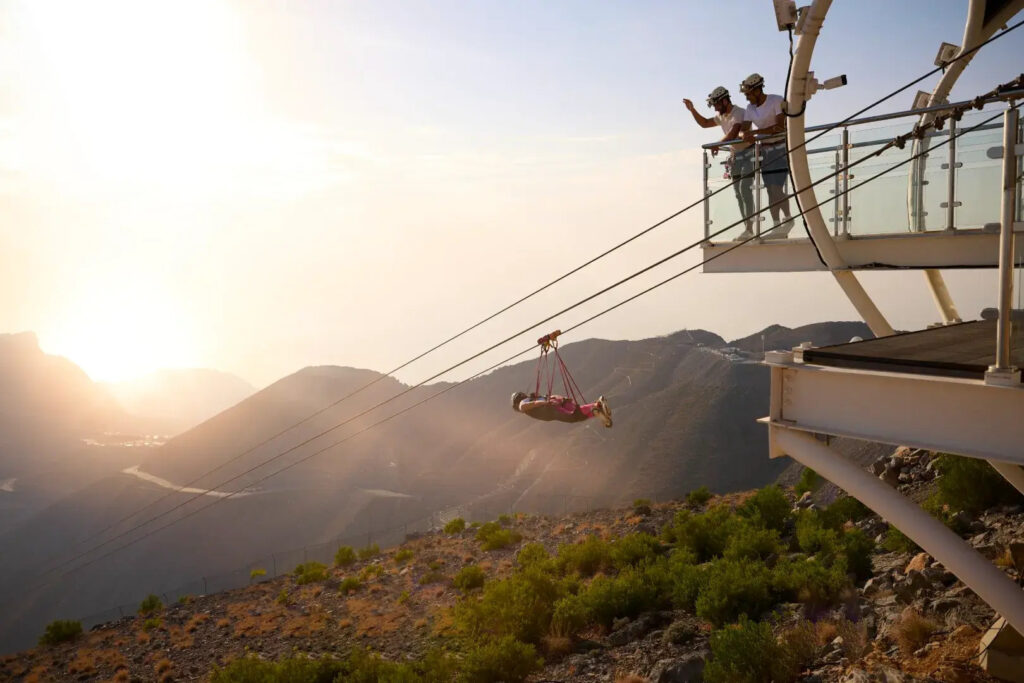
Jebel Jais is home to Jais Flight, officially recognised as the world’s longest zipline. The thrilling experience sends riders soaring across deep ravines, dramatic canyons and rugged mountain peaks at speeds reaching up to 150 kilometres per hour.
Set 1,680 metres above sea level, the ride lasts around three minutes and has become one of Ras Al Khaimah’s most iconic adventure experiences.
4. It Is Home to the UAE’s Last Remaining Pearl Village
Al Jazeera Al Hamra Heritage Village is considered the last remaining traditional pearl fishing village in the UAE and one of the most historically significant sites in the Gulf region.
The preserved village is known for its winding alleyways, traditional courtyard homes and centuries-old fort, offering visitors a glimpse into life before the country’s rapid modernisation. Often referred to as a “ghost town”, the area now hosts heritage tours that explore Ras Al Khaimah’s deep connection to pearl diving and the emirate’s cultural roots.
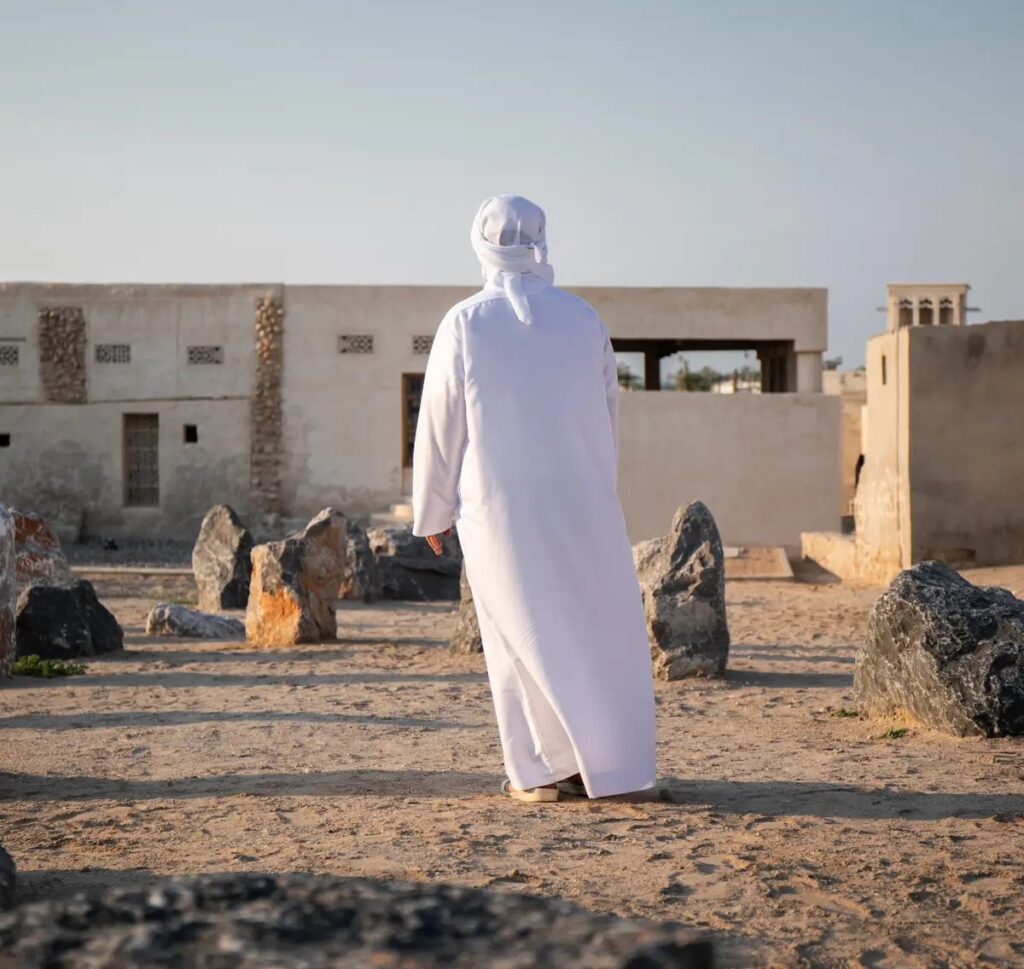
Al Jazeera Al Hamra translates to ‘Red Island’ in Arabic. The village has traditional elements such as a fort and watchtowers, a mosque, a souq and an expansive courtyard with houses of varying designs.
Following the decline of the global pearl industry from the 1920s and with the discovery of oil from the 1950s, Al Jazeera Al Hamra was abandoned by its inhabitants in their search for new opportunities.
5. The Name Has an Interesting Meaning
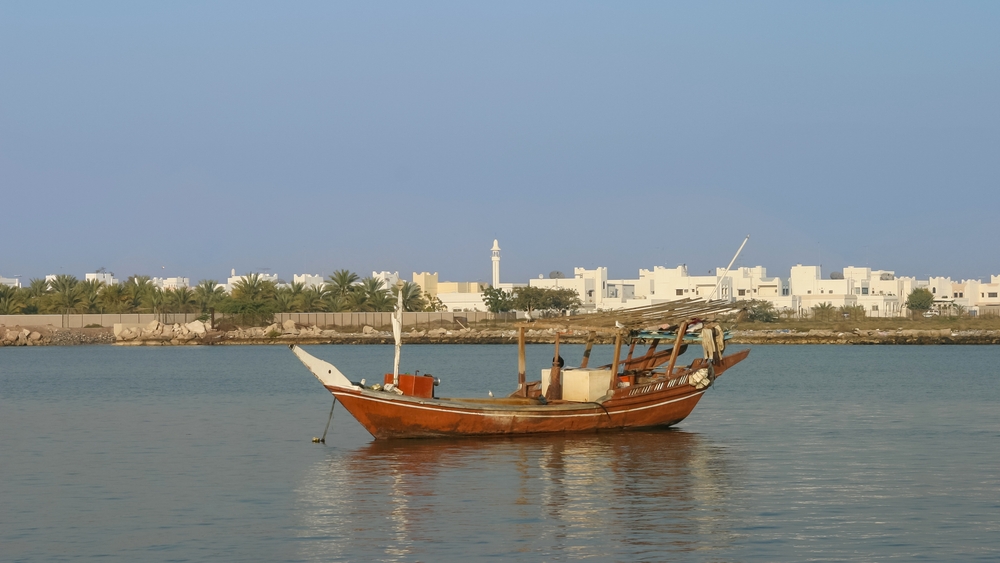
The name ‘Ras Al Khaimah’ translates to ‘top of the tent’ from Arabic. The name is commonly believed to be a reference to the emirate’s historical role as a significant coastal settlement in the UAE and its connection to maritime life and trade.
6. Dance and Poetry Hold Great Significance
Ras Al Khaimah hosts many festivals and events each year to celebrate Bedouin culture. Among multiple dance performances, Al Wahabiyya, Ras Al Khaimah’s traditional stick dance, stands out.
Al Wahabiyya is typically reserved for special celebrations. It includes two rows of dancers, symbolising the unity of Ras Al Khaimah’s tribes, as they perform to the beat of drums and poetry.
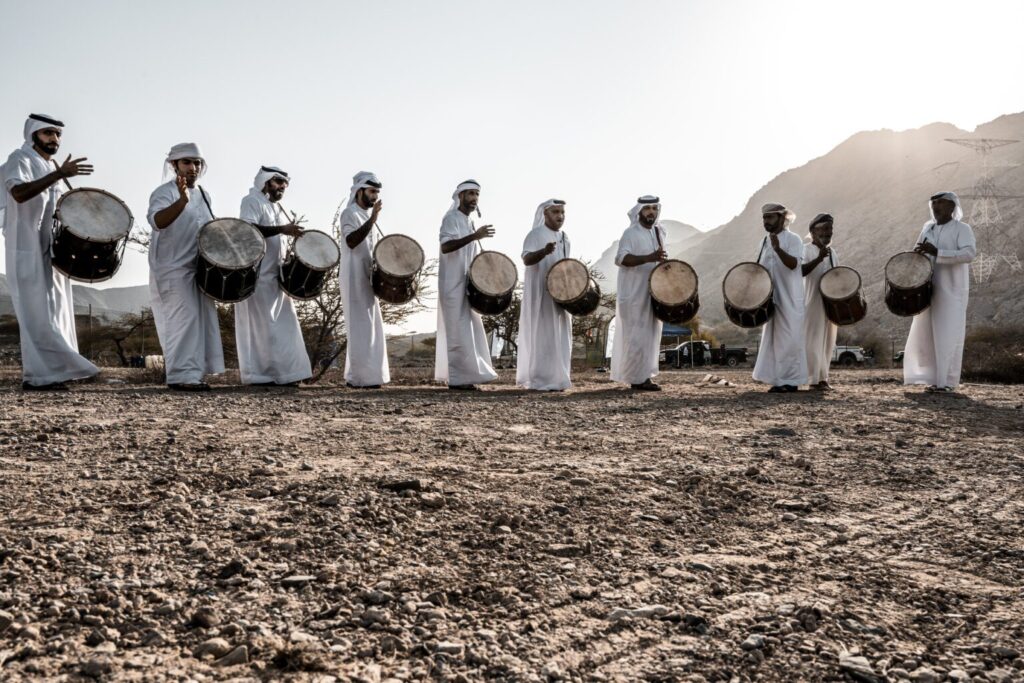
Poetry itself is a popular form of expression in Ras Al Khaimah and carries cultural value. Taghrouda, a type of Bedouin poetry, is traditionally written and performed by men riding camels through the desert. These poems are often recited at occasions from weddings, and festivals to camel races.
7. Pottery in Ras Al Khaimah is Unique
Ras Al Khaimah has its own approach to pottery, weaving, and textile crafts. Pottery methods usually make use of red or green clay. Red clay, from the mountains, is used to make plates and bowls, while green clay, combined with red clay, is used to make pots at lower temperatures.
Common crafts are Hib, or water pots, and chirr and kharas, which are pots used to store goods such as dates and dried fish.
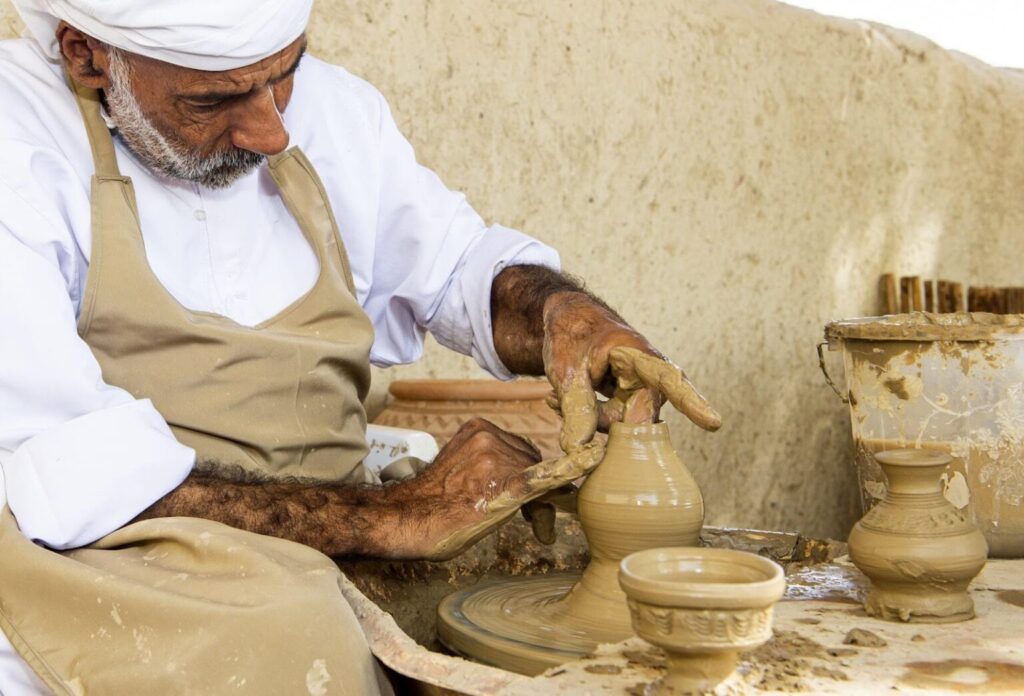
There are also textile crafts such as Sadu and Talli, which involve weaving materials like camel fur, goat hair, sheep wool, and threads. These are used to create tents, carpets, blankets, and clothing.
Explore more Ras Al Khaimah news, events, festivals, and local experiences on The Ras Al Khaimah Atlas.