



The Milky Way season is currently underway in the UAE, making the upcoming few months a good time to set aside for stargazing and viewing.
Abu Dhabi’s Al Quaa Desert is among the best stargazing spots in the country, and is also easily accessible without the need for formal, guided tours.
Here are a few important things to know for those looking to make the most of the Milky Way season in the UAE in 2026, including ideal viewing hours and timing tips.
Milky Way Season in the UAE
The Milky Way season in the UAE is expected to continue till September. Ideal viewing hours are between 9 pm and 3 am. It’s always better to schedule a visit around the time of the new moon, because darker skies improve visibility and allow the eye to catch more details of the galaxy.
Any place away from city lights is generally ideal for Milky Way spotting or stargazing, as artificial light interferes with natural starlight.

For those planning to visit Al Quaa Desert, the distance by road is approximately 243.8 kilometres, with a travel time of around two hours and 20 minutes, depending on traffic conditions. It’s ideal to arrive well before darkness sets in. A buffer period allows for some rest before nighttime viewing and provides enough time to get things set up as well.
Downloading an offline map for the Al Quaa Milky Way Spot can help avoid confusion and issues due to weak mobile coverage in desert areas. Cars are allowed into the area as long as they stay on the paved road. Avoid driving deeper into the desert after entering the main gate of the viewing area.
A few additional tips include carrying enough water, extra food, appropriate clothes for cooler night temperatures, and mats or chairs for viewing. Ensure you wear closed-toe footwear and limit movement in the area, as wildlife, including camels, scorpions, and spiders, may be present. It’s also best to avoid barbecue setups and use portable bonfire pits instead.
How to Spot the Milky Way
The Milky Way is typically seen as a broad band of stars across the sky. Stargazing apps like Stellarium can help first-time viewers locate the right area to make the most of their trip.
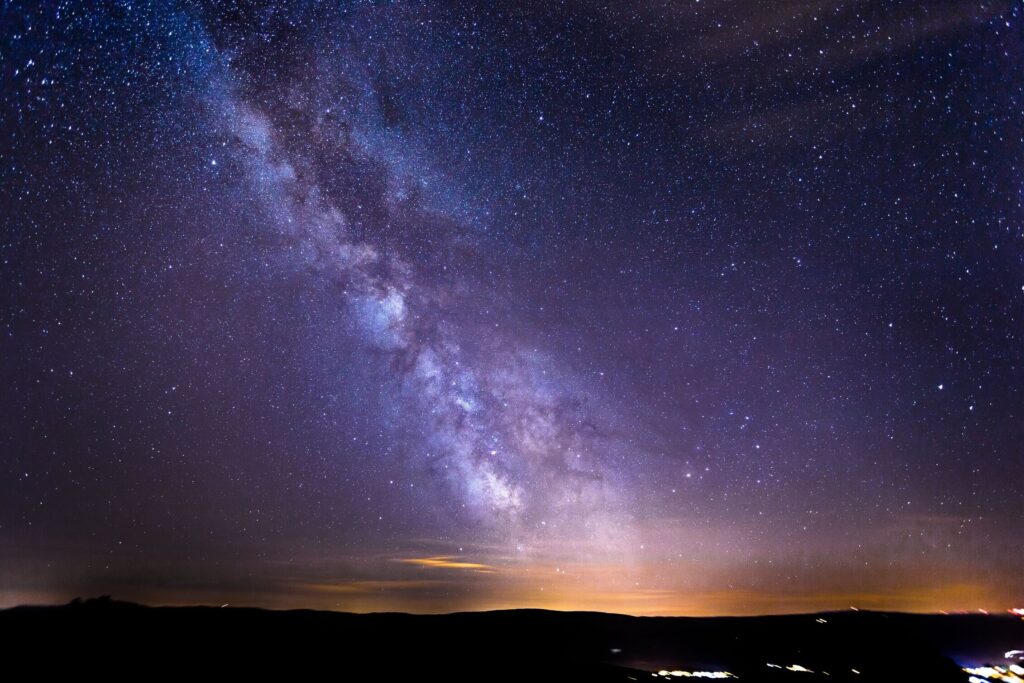
Gazing in the south to southeast directions and locating the Scorpius and Sagittarius constellations can also help. Sagittarius may resemble a teapot. Once the constellations are identified, the Milky Way appears as a cloudy band of densely packed stars and rises higher throughout the night.
Follow The Ras Al Khaimah Atlas for more nature guides, outdoor activities, family-friendly attractions and hidden gems across the emirate.